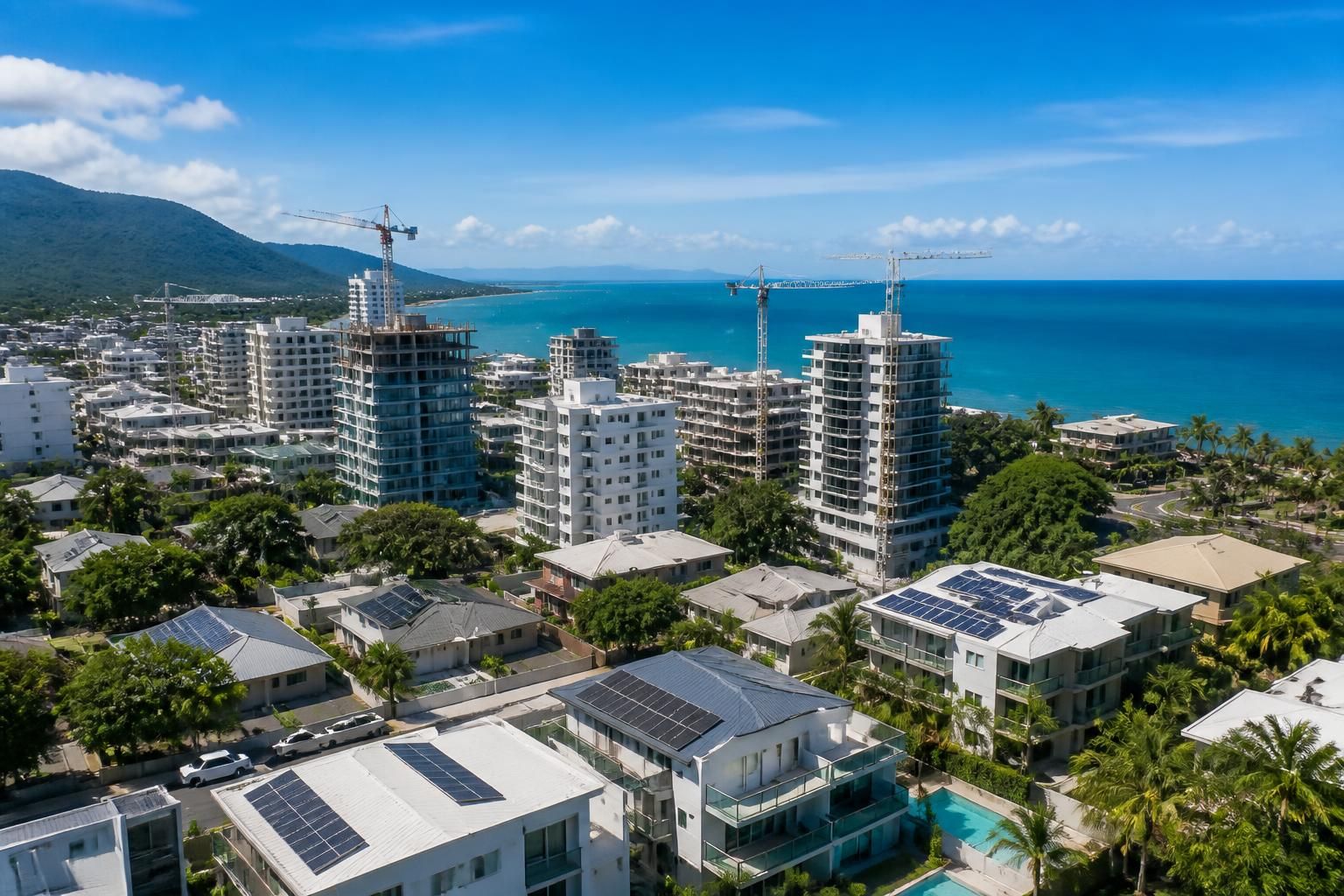
In 2026, Cairns stands at a pivotal point in its real estate journey, exhibiting robust price growth, persistent housing shortages, and emerging investment opportunities. The city’s housing market reflects a complex interaction of economic resilience, infrastructure expansion, and demographic shifts. These dynamics create a landscape where property trends point towards steady appreciation rather than volatile booms, making it a prime focal point for buyers, investors, and analysts alike.
The real estate market predictions for Cairns reveal a sustained upward trajectory, reinforced by a strong rental environment and structural supply constraints. Median house prices have surged past $770,000, and unit prices have experienced remarkable gains, indicating a vibrant market despite interest rate stabilization. Furthermore, ongoing infrastructure developments, such as the $1 billion Cairns Hospital expansion, signal an optimistic economic outlook that underpins long-term real estate growth. This forecast invites a closer look at the factors driving these patterns and how they impact investment potential across Cairns and the broader regional Queensland area.
Key Points for Cairns Real Estate Market in 2026:
- Median house price growth of approximately 15% year-on-year, reaching around $778,000.
- Strong compound price growth averaging 18% per annum over the past three years.
- Persisting housing supply issues with building approvals lagging demand by 30% or more.
- Extremely tight rental market with vacancy rates near 1.1%, fueling upward pressure on rents.
- Economic resilience characterized by low unemployment (~4.6%) and strong participation rates.
- Significant infrastructure investments, boosting employment and regional attractiveness.
In-Depth Analysis of Cairns House Prices & Property Market Trends in 2026
The Cairns housing market in 2026 continues to demonstrate robust price appreciation with median house prices having increased by about 15% compared to the previous year. This strong growth places Cairns among the top-performing property markets within Australia, making it an appealing destination for investors and homebuyers keen to capitalize on capital gains and rental income.
This price escalation is not primarily fueled by speculative demand; rather, it echoes fundamental economic forces, particularly the critical shortage of available housing stock. Over recent years, Cairns has experienced a continuous undersupply, as new building approvals fall 30% short of what is necessary to meet the growing population and employment-driven demand. The supply problem effectively establishes a price floor that safeguards ongoing growth and deters significant downward corrections in property values.
Examples from recent residential projects around Cairns illustrate this supply issue well. Developments tend to sell out quickly, and waiting lists for rental properties stretch longer than in many other Queensland regions. This scarcity also propels rental prices upward, compelling many families and professionals to enter the market with an increased willingness to purchase homes, further stimulating price resilience.
Comparing historical trends, Cairns has maintained a compound annual growth rate of around 18% over three years, outperforming some larger urban centres. These figures align with projections shared on platforms like Cougar Homes Cairns market insights, which emphasize sustained momentum driven by supply limitations and steady demand in the regional housing sector. As such, the Cairns housing market remains a compelling choice for strategic real estate investments, especially in residential segments facing the greatest supply shortages.
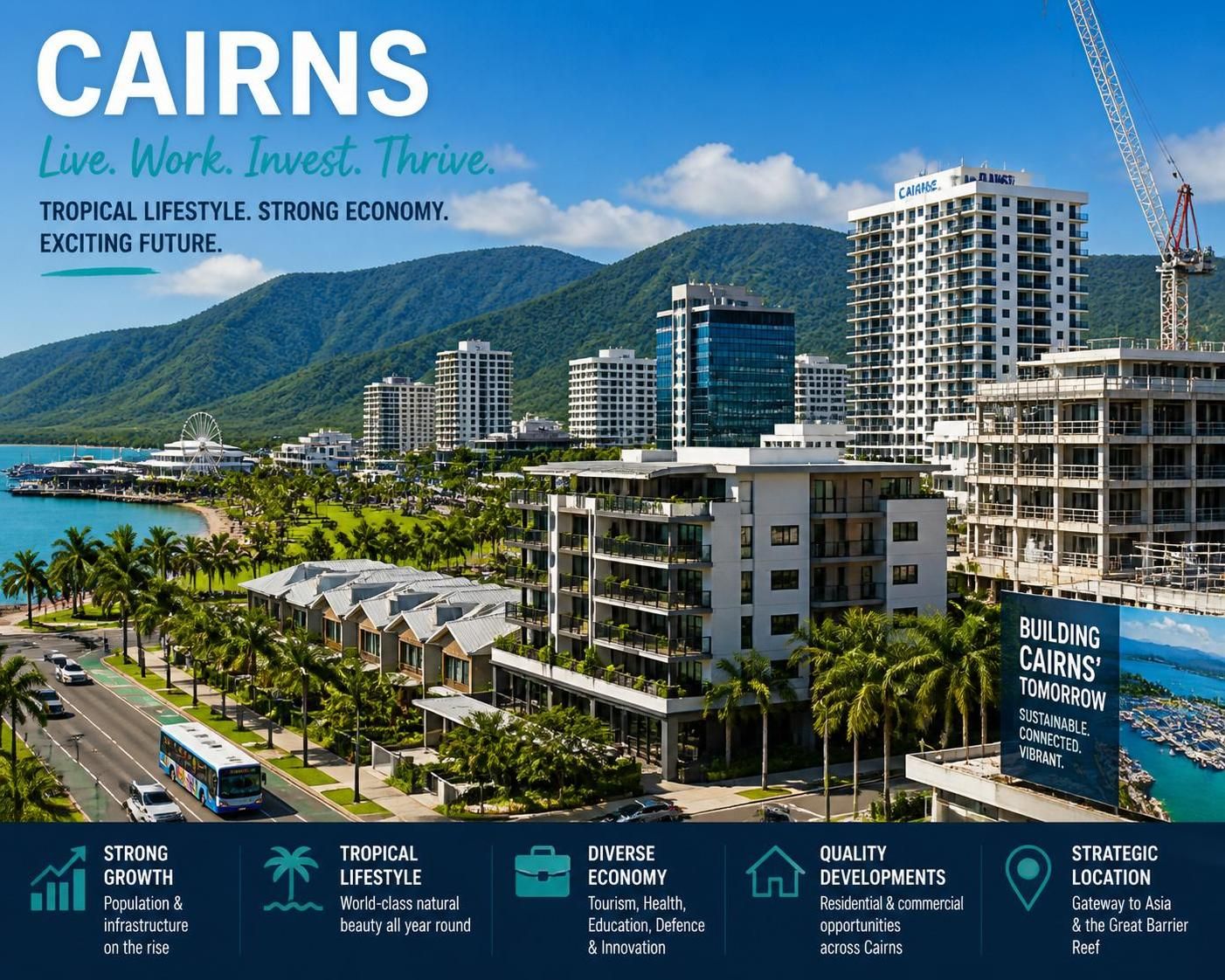
Structural Challenges: How Housing Supply Constraints Impact Cairns Market Stability
A significant element defining the real estate market predictions for Cairns is the entrenched housing supply shortage. Unlike many other markets where demand spikes are often followed by rapid new construction, Cairns has lagged in increasing building approvals, which remain persistently below the threshold to alleviate accommodation deficits.
The Cairns Economic Monitor highlights that to meaningfully impact the housing deficit, building approvals would need to rise by roughly 30% consistently—a target yet to be realized in 2026. This shortfall primarily results from the complex regulatory environment, limited availability of developable land, and infrastructure bottlenecks that discourage large-scale construction projects.
For investors and buyers, these supply constraints are a crucial factor underpinning future price growth. With fewer homes coming to market while population and employment opportunities expand, the resulting scarcity increases competition, supporting both sale prices and rental yields.
Moreover, supply shortages cause any demand shocks—such as influxes of new residents or accelerated infrastructure investment—to have amplified impacts. For example, recent upgrades in transport and healthcare infrastructure have spurred employment growth, attracting more households to Cairns. Yet, the slow pace of new housing delivery has failed to keep pace, which pushes existing residents and newcomers to compete for limited properties.
Addressing these supply challenges involves coordinated effort from local government, developers, and planners to streamline approval processes, unlock new land, and encourage sustainable densification techniques. Such measures can eventually create more balanced market conditions without undermining the strong investment potential Cairns currently offers.
Rental Market Dynamics: Why Cairns Remains a Landlord’s Market Despite Minor Vacancies Easing
Although the Cairns rental market shows a slight increase in vacancy rates, currently around 1.1%, the situation remains tightly balanced, favoring landlords and ensuring continued rental growth opportunities. The tightness of the rental market in Cairns directly reflects the underlying housing supply shortage and sustained employment stability in the region.
The median weekly rent for a three-bedroom house hovers near $645, while two-bedroom units command around $542. Interestingly, long-term trends reveal that rental increases for units have outpaced their price growth, hinting at potentially higher rental yield dynamics in the unit sector relative to houses. This emerging pattern is valuable for investors assessing income returns in a market commonly dominated by detached family homes.
Rental competition remains intense, as tenants compete for limited vacancies amid steady population growth. This environment creates a positive feedback loop into property values, as investors are attracted by the potential for rental income growth combined with capital appreciation.
Considering economic factors, the relatively low unemployment rate of 4.6% and ongoing job creation in sectors like healthcare, education, and tourism enhance tenants’ financial stability and capacity to afford rising rents. The connection between job security and rental demand is especially important in regions like Cairns, where transient or seasonal employment can sometimes introduce volatility.
However, despite the minor easing in vacancies, rental market tightness should caution prospective tenants and investors to plan for competitive leasing conditions and future rental rate increases, particularly in growth corridors and suburbs benefiting from infrastructure projects.
Employment Trends and Economic Drivers Shaping Cairns Real Estate Demand
The broader economic landscape significantly influences real estate growth in Cairns. Despite some moderation, employment remains resilient, with unemployment rates stabilizing around 4.6% and workforce participation maintaining historically high levels. This robust labour market underpins property demand through the reinforcement of buyer confidence and rental market stability.
Key economic sectors contributing to Cairns’ employment strength include healthcare expansion fueled by the $1 billion Cairns University Hospital upgrade, the tourism industry’s recovery and ongoing innovations, and regional infrastructural improvements such as the Bruce Highway upgrades. These sectors inject new jobs, stimulate consumer spending, and create pressures for new housing, collectively supporting market fundamentals.
Worker influx related to these projects creates localized demand for housing across various price points and types, accentuating regional disparities. For instance, suburbs in proximity to hospital expansions tend to experience surges in rental inquiries and property sales, partly driven by healthcare staff seeking nearby accommodation.
An interesting aspect of the Cairns market is the relationship between infrastructure investments and property values. Areas benefiting directly from enhanced amenities often enjoy accelerated real estate growth, validating investment strategies that focus on understanding economic drivers and their spatial impacts.
In this context, discerning buyers and investors can leverage market analysis to identify neighbourhoods poised for appreciation due to upcoming employment opportunities and infrastructure projects, ensuring alignment of investment choices with economic realities.
Infrastructure Investments Fueling Long-Term Real Estate Growth in Cairns
The real estate market forecast for Cairns cannot be dissociated from the substantial infrastructure projects shaping the city’s future. The most significant is the $1 billion expansion of the Cairns University Hospital, which is set to create thousands of new jobs and improve healthcare facilities, thereby attracting more residents and businesses.
Other considerable investments include the Bruce Highway upgrades, aimed at improving accessibility and connectivity between Cairns and the broader Far North Queensland region. Enhanced transport infrastructure not only supports economic activities but also expands the geographic scope of viable residential locations for commuters.
These infrastructure initiatives act as powerful economic tailwinds by fostering population growth and encouraging residential development, even in a supply-constrained environment. For real estate investors and homebuyers, understanding where and when infrastructure investments are underway provides critical insight into future property trends and appreciation potential.
For example, residential areas near new transport hubs often experience heightened demand, leading to improved capital growth and rental yields. Similarly, neighborhoods benefiting from health and education infrastructure upgrades tend to attract families and professionals, supporting demand for larger family homes and quality rental properties.
Long-term infrastructure planning is a prime determinant in Cairns’ property market performance, and staying informed about these projects enhances investment decision-making, allowing market participants to anticipate growth corridors before they become mainstream.
Key Investment Opportunities in Cairns’ Real Estate Market in 2026
Considering the interplay of sustained price growth, rental tightness, and infrastructural enhancements, Cairns offers multiple attractive investment opportunities in 2026. Investors focused on both capital appreciation and rental income stand to benefit from the market dynamics shaped by constrained supply and economic resilience.
Several strategic avenues present themselves:
- Unit and Apartment Investments: With rental prices for units outpacing their price growth, targeting well-located apartments can yield strong rental returns and capital gains.
- Family Homes in Growth Suburbs: Locations near expanding employment hubs and upgraded infrastructure tend to perform consistently well in terms of both appreciation and rental demand.
- New Development Projects: Participating in off-the-plan or pre-construction purchases may offer cost advantages and capitalize on future market growth when supply remains limited.
- Regional Expansion Areas: Exploring nearby regions exhibiting spillover demand can diversify risk and access emerging market segments beyond urban Cairns.
Investors should also consider the risks associated with slower-than-expected improvements in housing supply that may trigger heightened competition for existing stock, potentially elevating entry costs and reducing short-term affordability.
For tailored insights and market updates, resources like Cairns Property Collective’s market recap and forecasts provide valuable context for navigating investment strategies in this dynamic environment.
Understanding Market Analysis and Economic Factors Behind Cairns Property Trends
Accurate market analysis is central to making informed decisions amidst the evolving Cairns housing market. Understanding the economic drivers such as population growth, employment rates, and infrastructure projects allows stakeholders to interpret property trends with greater clarity and predict future cycles more effectively.
Historical data underscores Cairns’ position as a benchmark for steady growth influenced by structural supply challenges and demand persistence. Analysts point to the city’s balance between sustainable real estate growth and moderate volatility as a key reason for its appeal among investors preferring less speculative risk.
For example, statistical tracking of median house and unit prices alongside rental yields and vacancy data shows a coherent pattern: limited supply induces upward pressure on both prices and rents, supported by an underpinning of solid economic fundamentals. Recognizing these patterns helps investors anticipate when the market is poised for further expansion or consolidation phases.
Market analysis also benefits from examining external influences such as policy changes, interest rate cycles, and demographic shifts. In Cairns, the likely bottoming out of interest rate hikes has redirected market momentum from speculative activity to genuine supply-demand imbalances, reinforcing optimistic forecasts for the medium term.
Those interested in detailed market charts and insights can explore sources like InvestorKit’s comprehensive market breakdown, which provides visual and statistical context essential for savvy property investment in Cairns and Far North Queensland.
Future Market Outlook: Navigating Risks and Opportunities in Cairns Real Estate
While Cairns’ property market exhibits many positive indicators, prudent investors and stakeholders must also consider potential risks in their strategic planning. Slower housing supply adjustments, shifts in interest rates, or unanticipated economic shocks could moderate growth or increase volatility.
Nonetheless, the overarching forecast remains favorable, supported by structural fundamentals such as constrained housing inventory, stable employment, and significant infrastructure projects underway. The market analysis suggests a sustained period of real estate growth peppered with opportunities for astute investors to capitalize on emerging hotspots.
Key considerations moving forward include monitoring government policies affecting land use and development, assessing the impact of global economic factors on tourism-dependent industries, and observing demographic changes driving demand for various housing types.
In conclusion, Cairns in 2026 offers a dynamic property landscape marked by persistent growth and evolving opportunities. With careful market analysis and attention to economic factors, real estate stakeholders can position themselves advantageously within this promising regional market.
What is driving the strong price growth in Cairns’ real estate market in 2026?
The primary driver is a significant housing supply shortage that, combined with steady demand and low interest rates, keeps prices rising steadily.
How is the rental market performing in Cairns?
Despite a slight increase in vacancy rates, the rental market remains tight with vacancy around 1.1%, pushing rents higher and providing strong returns for landlords.
What role do infrastructure projects play in Cairns real estate growth?
Major projects like the $1 billion Cairns University Hospital expansion increase employment and attract residents, creating greater demand for housing and boosting property values.
Are there specific suburbs in Cairns that present better investment opportunities?
Yes, suburbs near infrastructure upgrades and employment hubs are particularly attractive for capital growth and rental income.
What economic factors support Cairns property demand?
Low unemployment, strong workforce participation, and growing population due to lifestyle migration and jobs are key economic factors sustaining market demand.