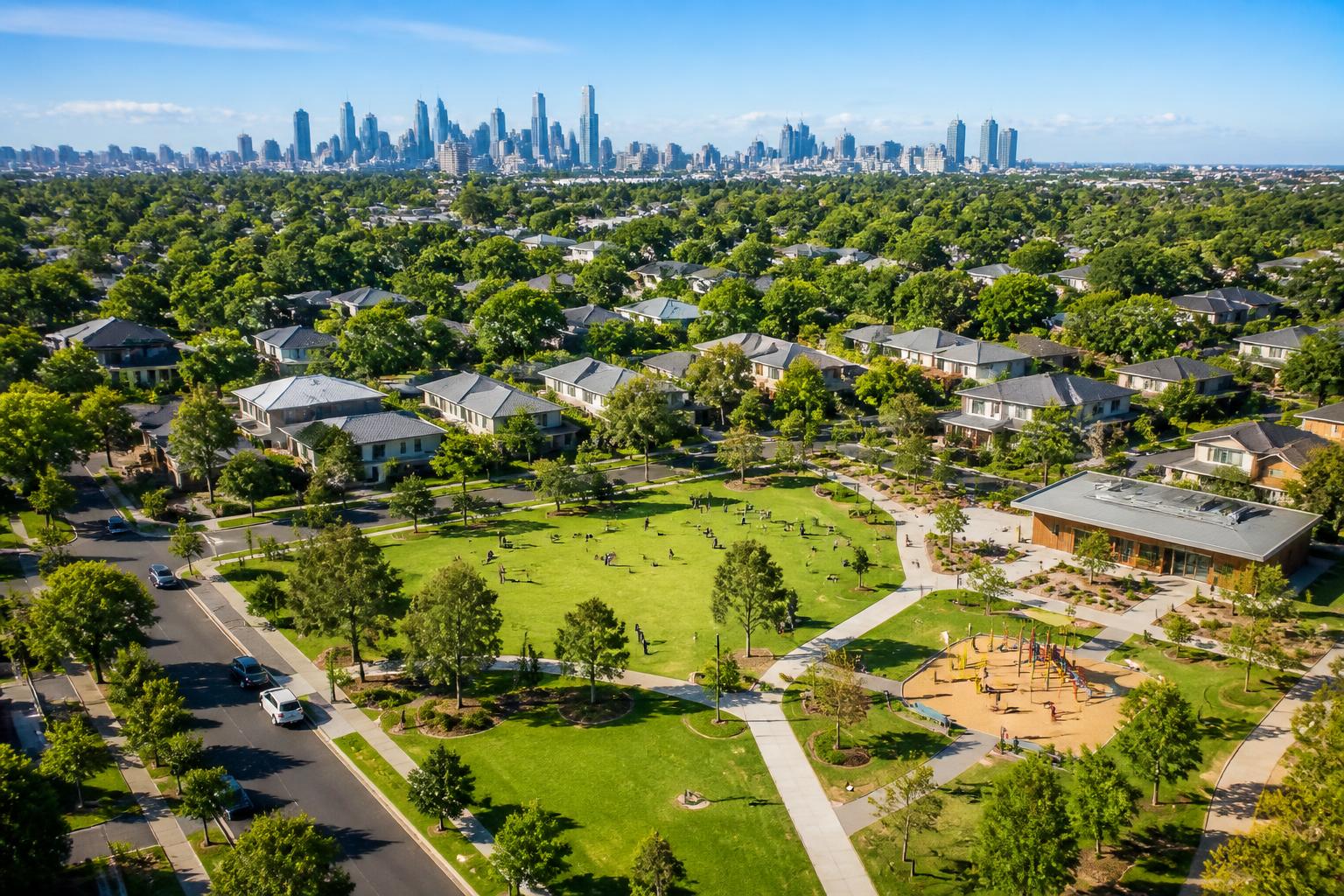
Melbourne continues to captivate families searching for the perfect balance between urban accessibility and a nurturing community environment. The city’s diverse real estate market, spanning from bustling inner suburbs to tranquil outer neighborhoods, offers a variety of options tailored to family needs. Quality schools, safety, and abundant parks shape the criteria parents prioritize alongside housing affordability and lifestyle amenities. In the current 2026 housing landscape, Melbourne’s real estate trends emphasize traditional family homes within reach, nestled in vibrant communities where children can thrive.
Key Takeaways:
- Demand remains strongest for three-bedroom homes priced between $1 million and $1.3 million, especially within 7-15 km from Melbourne CBD.
- Suburbs such as Reservoir, Alphington, and Carnegie exemplify family-friendly urban living with top schools and leafy streets.
- Outer suburbs like Rowville, Lilydale, and Bayswater boast affordability and growing amenities but may not sustain recent price growth.
- Established apartment living is rising in popularity, especially in well-serviced areas like South Yarra and Hawthorn.
- Top suburbs combine good schools, safety, green spaces, and community services, all critical for family wellbeing.
Family-Centric Housing Market Overview in Melbourne
The Melbourne housing market in 2026 reflects significant shifts experienced over the past decade, particularly bolstered by the pandemic’s impact. While property prices surged notably throughout the late 2010s and early 2020s, there has been some stabilization recently, although values remain robust compared to historical averages. Notably, while Sydney saw steeper increases, Melbourne’s market growth focuses on maintaining affordability within desirable family suburbs.
The strongest interest is currently centered on traditional detached family homes with three bedrooms and yards priced between $1 million and $1.3 million. Parents and downsizers alike are attracted to suburbs within the inner to middle ring, typically spanning 7-15 kilometers from Melbourne’s CBD, where they can access reputable schools, public transport, and extensive amenities. This region offers a compelling mix of established neighborhood charm and modern conveniences, supporting the family lifestyle.
Suburbs such as Reservoir, Alphington, and Carnegie illustrate this dynamic well. These areas feature leafy streets with period homes and provide excellent urban amenities including parks, quality schooling, and convenient transport links. While these suburbs offer relatively higher housing prices, their amenities and community services justify the premium for families prioritizing long-term livability over speculative investment.
Conversely, more affordable outer suburbs like Rowville, Bayswater, and Lilydale have seen temporary price spikes. These suburbs attract families seeking larger homes at lower prices, however, trends suggest a potential normalization as infrastructure and service development continue to catch up with growth. Additionally, the rise in appeal for established units—particularly larger flats and well-appointed apartments in areas like South Yarra, Northcote, and Hawthorn—represents a shift where some families opt for convenient city living over traditional houses, benefiting from lower prices and heightened amenity access.
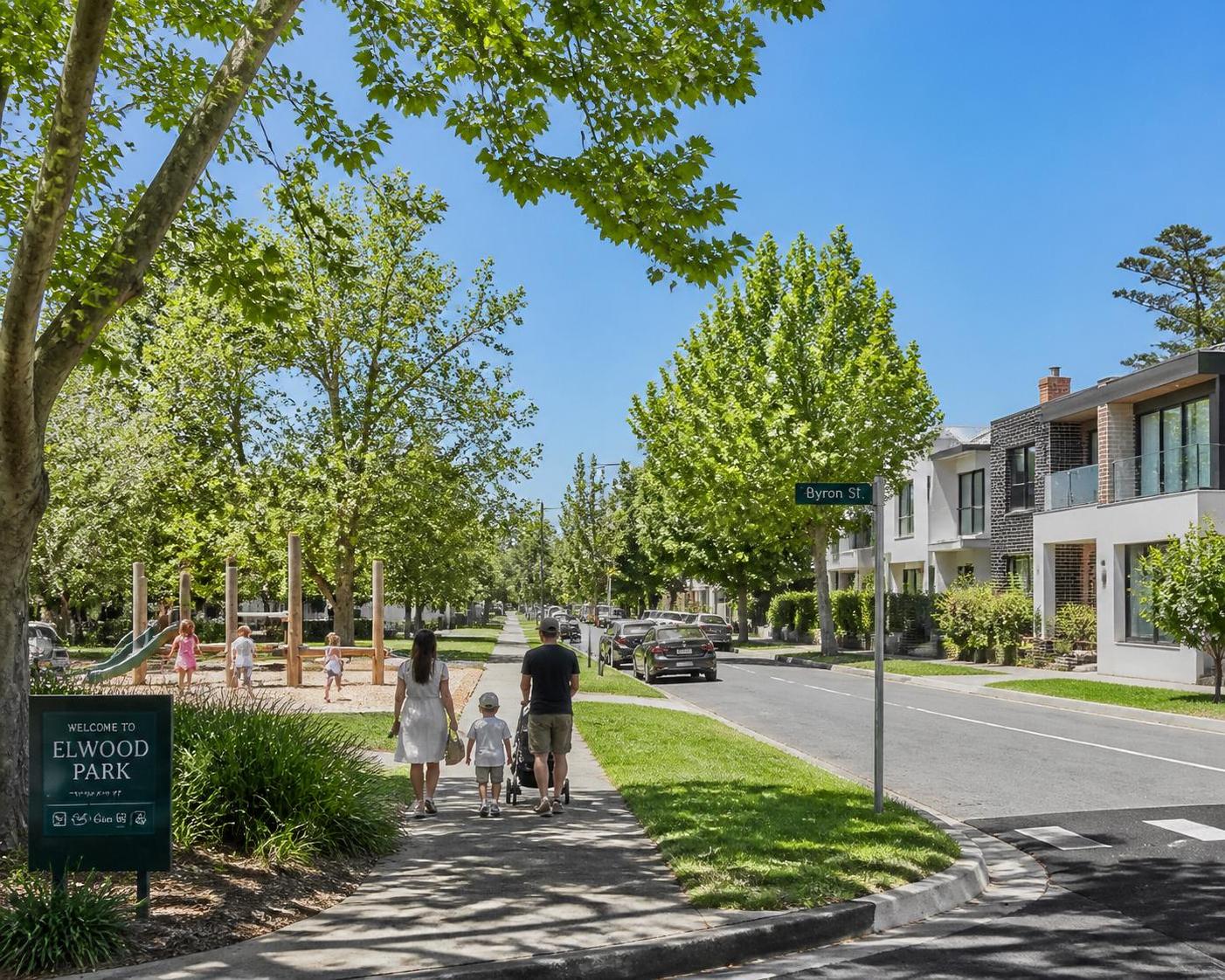
Top Melbourne Suburbs Offering Outstanding Schools and Community Safety
School quality remains one of the strongest magnets for families when choosing the best neighborhoods in Melbourne. Parents often prioritize suburbs with consistently high-performing public and private schools, accessible extracurricular programs, and a diverse, inclusive student community. Combined with a suburb’s reputation for safety—including low crime rates and an active neighborhood watch—these factors create environments where families feel secure and children receive quality education.
Balwyn stands out as a prime example. With renowned institutions like Balwyn Primary School and Balwyn High School, this suburb boasts a robust educational culture. Families here enjoy a calm, affluent environment with low crime and ample parks such as Maranoa Gardens, vital for outdoor family activities. The median house price around $2.6 million attests to its premium status but also aligns with its quality of life offerings.
Similarly, Brighton offers an exceptional beachside lifestyle bolstered by top-tier schools including Brighton Grammar and Firbank Grammar. Its coastal charm and strong community engagement enhance safety perceptions. Residents benefit from a strong local economy and a median household income exceeding $150,000, reflective of the suburb’s affluence and resources.
For families seeking a balance between affordability and quality teaching, Doncaster is notable. With respected schools like Doncaster Secondary College and proximity to Westfield Doncaster shopping center, this area supports busy family schedules. The median home price near $1.5 million fits the mid-range for Melbourne’s housing market, offering an attainable option without sacrificing community safety and amenities.
Choosing a suburb aligned with school rankings and community trust often narrows down options significantly, underscoring the importance of thorough research. Utilizing resources such as detailed suburb guides can aid families in refining their search – a strategy embraced by many homebuyers navigating Melbourne’s dynamic real estate market in 2026.
Comprehensive Analysis of Parks, Recreation, and Family Amenities
An essential aspect of family-friendly neighborhoods involves accessible green spaces and recreational facilities. Such amenities contribute to health and community cohesion, creating safe and vibrant spaces for children to play and grow. Melbourne’s suburbs boast an array of parks, botanical gardens, and sports grounds, often integrated within residential precincts to encourage active lifestyles.
Jells Park near Glen Waverley is a prime destination for families seeking outdoor leisure, offering playgrounds, sporting fields, and walking trails. The suburb itself combines modern homes with established schools, such as Glen Waverley Secondary College, enhancing its appeal. Similarly, the iconic Royal Botanic Gardens near South Yarra adds cultural as well as natural amenities, providing a picturesque setting for family outings and educational activities.
In Bayswater and Rowville, community investment in parks and reserves has been pivotal. Families enjoy facilities ranging from skate parks to multi-use courts and accessible playgrounds. These suburbs emphasize a family lifestyle imbued with community events and sports clubs that foster friendships and social engagement.
Smaller suburbs like Heatherton emphasize community spirit, hosting local events centered on parks and green areas that promote neighborly connections. Such features minimize social isolation and build a supportive environment crucial for younger children and their parents.
Ultimately, the integration of well-maintained parks and family amenities becomes a critical consideration for families wanting a wholesome suburban experience beyond just housing. These spaces improve physical health and emotional wellbeing, which often translate into stronger community bonds.
Understanding Melbourne’s Diverse Neighborhoods Through Pricing and Housing Types
When evaluating the best neighborhoods within Melbourne for families, the variety in housing types and pricing is significant. The market currently balances between historic homes, new constructions, and apartment living, each suitable for different family priorities and budgets.
Inner suburbs, including Camberwell and Hawthorn, typically feature larger, heritage-style homes with substantial gardens. These areas offer a prestigious family lifestyle but come at higher price points, with median house prices frequently exceeding $2 million. Camberwell, for instance, is noted for its tree-lined streets, vibrant shopping precincts, and excellent schooling, all within 10 kilometers of the city. Discover more about Camberwell and similar suburbs here.
In contrast, outer suburbs like Caroline Springs, Roxburgh Park, and Point Cook facilitate more affordable options, with median house prices around $650,000 to $750,000. These neighborhoods attract families looking for newer homes, larger blocks, and access to growing communities with improving infrastructure. The trade-off is often greater distance from the CBD, but with ample parklands and schools, these areas remain highly attractive for their value.
The rise of established apartments in suburbs such as South Yarra and Northcote reflects demographic shifts where families prioritize proximity to work, transit, and lifestyle amenities over traditional homeownership. Spacious, character-filled apartments offer a middle ground for families balancing budget constraints and urban living. However, newly built high-rise apartments have struggled to gain traction, highlighting a preference for quality over quantity in family housing.
Transportation and Accessibility Impact on Family Neighborhood Choices
Efficient transport links are paramount in supporting family life, affecting daily commutes, children’s school access, and participation in extracurricular activities. Melbourne’s best neighborhoods for families offer reliable access to trains, trams, and major roadways.
Suburbs like Alphington enjoy tram lines and bus services that facilitate easy connection to the CBD, adding convenience for working parents. Even more distant suburbs such as Glen Waverley benefit from train services and proximity to freeways, making access straightforward despite their outer location. Such connectivity enhances these suburbs’ attractiveness to families who value a balanced lifestyle with feasible travel times.
Conversely, some areas with no direct train stations, like Rowville, rely heavily on bus networks. Although this may limit appeal for some, strong road infrastructure provides ample alternatives. Victoria’s ongoing investment in public transport is gradually enhancing connectivity to these growth corridors, potentially increasing their desirability for families over time.
The comprehensive transport options in inner and middle suburbs not only support school transportation but encourage after-school activities and weekend excursions, which are integral to family life. The availability of safe, well-lit routes for biking and walking also improves neighborhood livability, supporting a family-friendly environment.
Exploring Community Spirit and Local Amenities in Melbourne’s Family Suburbs
The presence of a strong community is a defining feature of family-friendly neighborhoods. This includes friendly interactions, active local groups, and well-supported amenities that suit all family members.
Suburbs like Eltham and Montmorency, positioned 18-21 km from Melbourne CBD, combine leafy surrounds with a country feel while maintaining access to excellent schools and amenities. These areas emphasize community involvement, hosting markets, sports clubs, and cultural events that engage residents and foster a neighborly atmosphere. Strong connections to healthcare facilities and shopping precincts within a short drive elevate lifestyle convenience.
Northcote offers a blend of creative culture and familial appeal, characterized by its vibrant café scene, community arts, and family-centered parks. Its population’s diversity enriches social networks and educational opportunities. Such multicultural inclusivity attracts families valuing varied cultural experiences alongside community safety.
Local shopping centers, cafes, and playgrounds act as focal points for socializing and sharing resources. Many families benefit from these hubs, cultivating support systems that extend beyond immediate households. These features not only enhance daily convenience but also add to the emotional wellbeing of residents, an essential component for raising children happily and securely.
Data-Driven Insights into Melbourne’s 20 Best Neighborhoods for Families
Based on a comprehensive analysis of factors including housing prices, school quality, public transport, and community safety, a curated list identifies the top 20 family-friendly suburbs scattered across Melbourne’s metro area. This ranking speaks directly to the needs of families seeking a balanced lifestyle in 2026 while considering various budgets and preferences.
| Suburb | Median House Price | Median Household Income | Schools & Safety | Recreational Assets |
|---|---|---|---|---|
| Caroline Springs | $750,000 | ~$95,000 | Family-oriented with growing schools | Lakeside parks, sports facilities |
| South Yarra | $2.38 million | $130,000+ | Strong mixed schools, low crime | Royal Botanic Gardens, active nightlife |
| Bayswater | $930,000 | $90,000 | Good schools, safe suburbs | Community parks, playgrounds |
| Carnegie | $1.72 million | $100,000 | Schools focus on family students | Proximity to Chadstone Shopping |
| Montmorency | $1.22 million | $110,000 | Strong public and private schools | Leafy reserves and trails |
Practical Advice for Families Planning a Move within Melbourne Real Estate
Confronted with the variety of options, families contemplating relocation within Melbourne must assess their priorities carefully. Beyond financial considerations such as median house prices and income levels, factors like proximity to work, school accessibility, and community activities play crucial roles.
Consulting local experts and accessing community-specific data helps families avoid common pitfalls and optimize their choices. For example, understanding transport schedules or school catchment zones can be decisive. Additionally, engaging with removal services early, as advised in practical moving guides, can streamline the family’s transition smoothly.
Those seeking budget-conscious options can explore up-and-coming suburbs that promise future growth alongside current affordability. For families drawn to the bustling city vibe with diverse cultural prospects, inner suburbs like Northcote or Fitzroy North provide a vibrant yet secure environment. Alternatively, coastal and leafy suburbs such as Brighton and Eltham combine tranquility and access to amenities, albeit at a premium.
Thanks to Melbourne’s multifaceted housing market, each family can find a neighborhood fitting their lifestyle aspirations and financial threshold. This wide spectrum of choices reinforces Melbourne’s reputation as one of Australia’s most livable cities for families.
Explore guiding resources for choosing the best suburbs in Melbourne to further fine-tune your family’s housing choices.
What factors should families prioritize when choosing a Melbourne suburb?
Key considerations include school quality, safety, availability of parks and recreational facilities, housing affordability, and transport access. These elements collectively shape a supportive, nurturing environment for raising children.
Are inner-city or outer suburbs better for families in Melbourne?
While inner suburbs generally offer better transport and schooling facilities, outer suburbs provide more affordable housing and larger blocks. The choice depends on family priorities such as budget, commute, and lifestyle preferences.
How have Melbourne house prices changed recently?
House prices have seen significant growth over the past decade, particularly for three-bedroom family homes. Although there has been some recent stabilization, prices remain relatively high, especially closer to the city center.
Is apartment living viable for families in Melbourne?
Yes, particularly established units in suburbs like South Yarra and Northcote offer spacious layouts with quality amenity access, suited to family life, though preference leans away from high-rise new builds.
How can community amenities influence family living?
Access to parks, schools, healthcare, and shopping centers enhances convenience and fosters social connections, improving overall family wellbeing and quality of life.