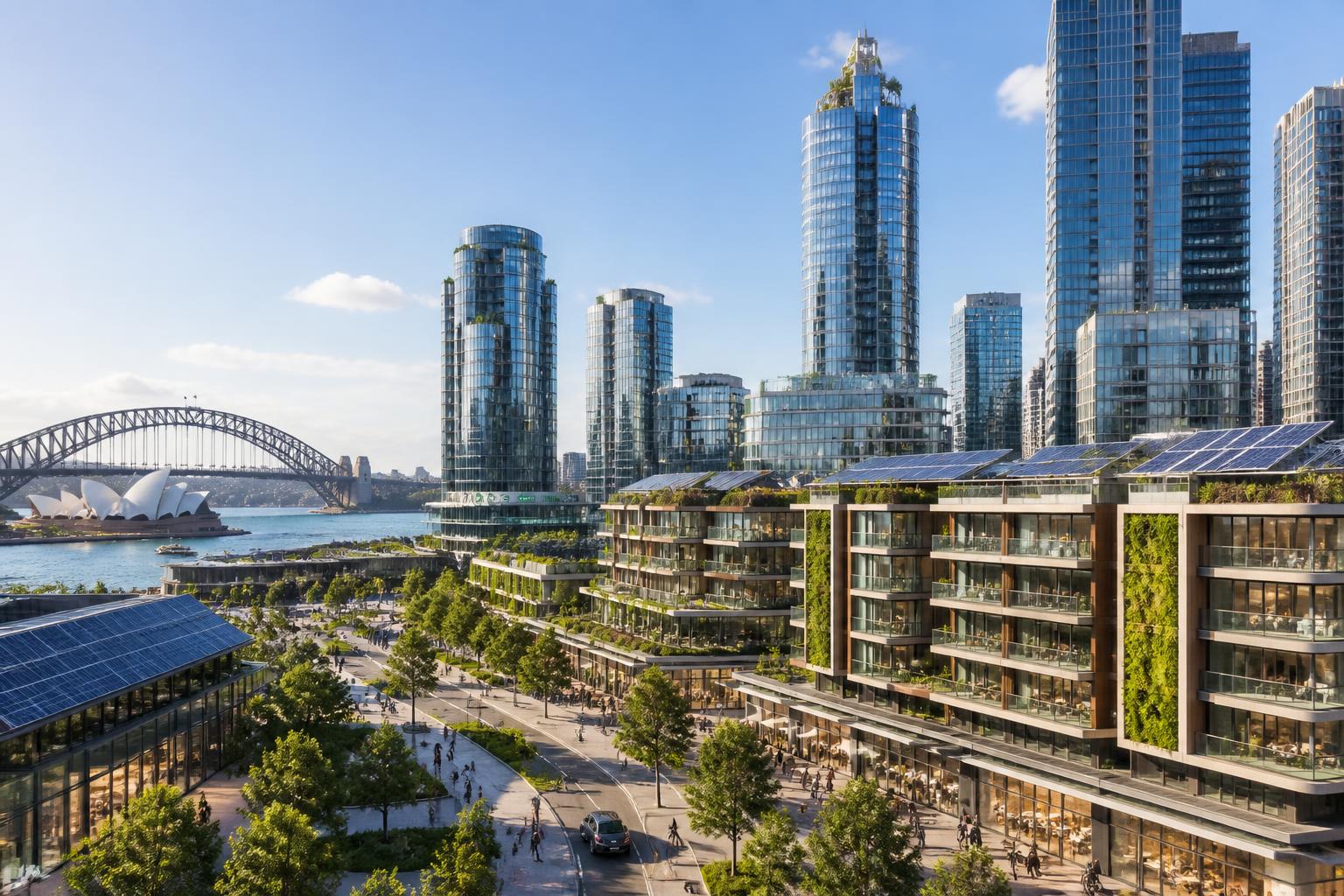
As Sydney’s property market navigates a complex landscape of growth, transformation, and evolving buyer priorities, the year 2026 emerges as a pivotal moment filled with promising real estate developments. This dynamic environment is shaped by shifting demand, infrastructure expansions, and innovative urban planning strategies that attract investors and homeowners alike. Sydney real estate now reflects a blend of affordability challenges balanced by opportunities in emerging suburbs and sustainable housing projects, making it a focal point for property investment decisions.
Exploring the top real estate developments in Sydney for 2026 reveals a rich tapestry of masterplanned communities, apartment launches, and mixed-use projects that combine livability, connectivity, and environmental consideration. These developments not only meet the needs of diverse residents—from first-home buyers to upscale investors—but also embody new real estate trends that prioritize sustainability and design excellence. Whether assessing new housing projects or commercial real estate ventures, stakeholders gain valuable insights into Sydney’s real estate market trajectory.
In brief:
- Sydney’s property market in 2026 displays a clear divide between booming suburbs and cooling high-end precincts.
- Top real estate developments include masterplanned estates in growth corridors and design-led apartment complexes near transport hubs.
- Increased buyer interest in affordable units and sustainable housing reflects changing lifestyle and economic factors.
- Key infrastructure projects are pivotal in driving suburban growth and enhancing urban development.
- Property investors are advised to leverage data-driven tools and expert insights for strategic decision-making.
Emerging Hotspots: Sydney’s Growth Corridors Leading Real Estate Developments in 2026
The real estate map of Sydney in 2026 is dominated by burgeoning growth corridors positioned in the city’s outer and mid-ring suburbs. These areas have become focal points for developers and buyers drawn by the promise of affordability paired with increasing accessibility. For example, the northwest region of Sydney, highlighted by developments such as McKenzie in Vineyard, is experiencing rapid expansion driven by new transport links and school infrastructure improvements.
Another notable example includes the Menangle Park precinct in the southwest, which is renowned for its forward-thinking community planning emphasizing connectivity and sustainable living. These corridors are particularly attractive to young families and first-home buyers looking for balanced pricing without sacrificing lifestyle.
People interested in residential properties or housing projects with strong buyer interest will find that the growing suburbs combine the best of urban convenience and green space, attracting a broad demographic across different income brackets. These suburbs often enjoy robust growth rates compared to inner-city precincts, which face challenges such as higher price points and market saturation.
The contrast between suburbs thriving on strategic urban development and those experiencing slower growth underscores the importance of geographical context in Sydney’s real estate trends. For investors, identifying such hotspots backed by government infrastructure spending and community services can significantly enhance property investment outcomes.
Luxury and Lifestyle: High-End Developments Redefining Sydney’s Urban Landscape
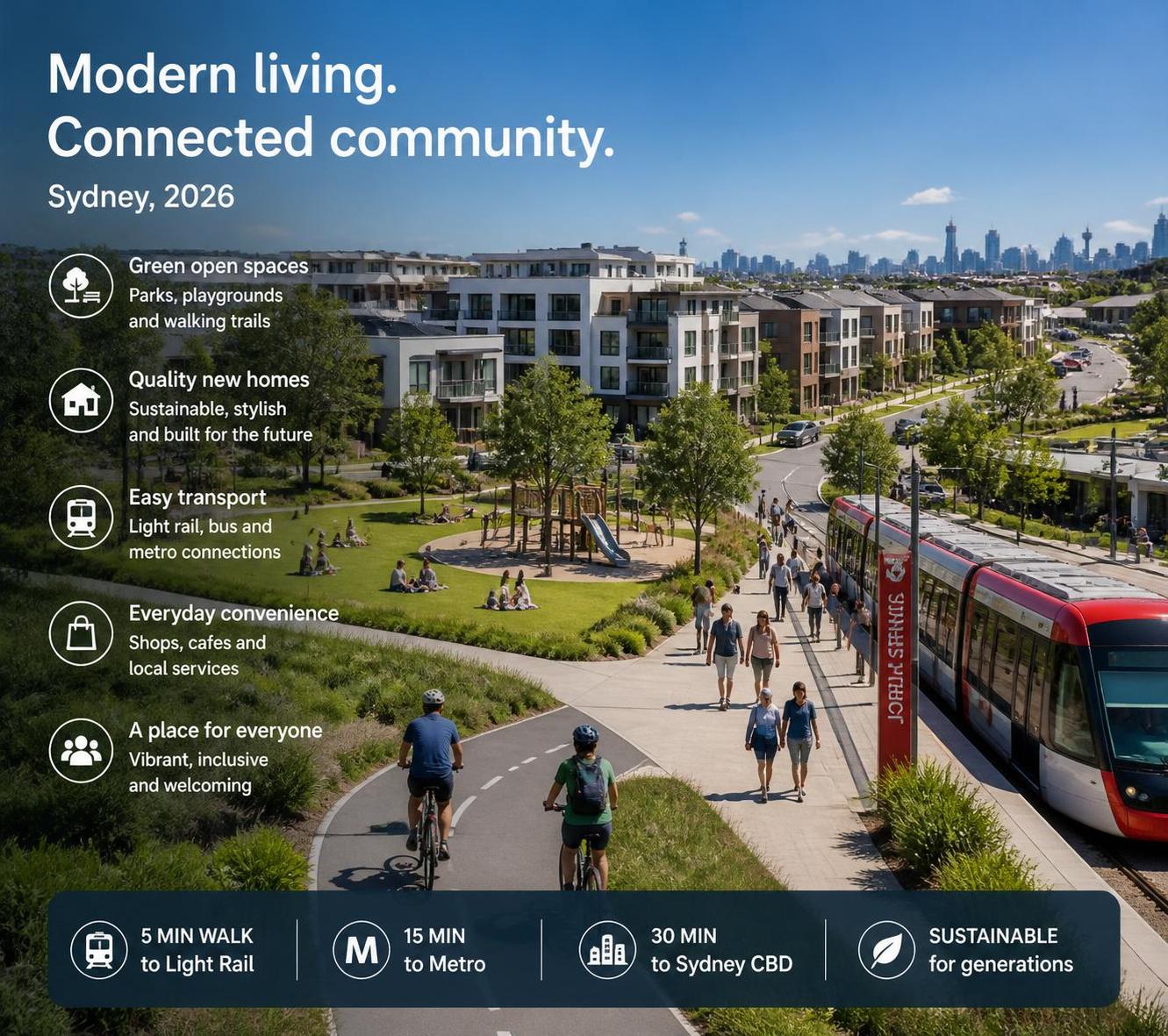
While affordability drives much of Sydney’s residential expansion, luxury real estate developments continue to redefine the city’s urban fabric, particularly around harbourside precincts and revitalised inner-city areas. Projects featuring high-end apartments incorporate premium amenities, innovative architecture, and sustainable design features tailored for affluent buyers seeking lifestyle excellence.
Examples like the latest apartment developments launching in 2026 demonstrate a commitment to integrating green technologies, with efficient energy systems and water-saving solutions becoming standard. These luxury complexes also prioritize access to cultural hubs, exclusive retail areas, and recreational facilities, offering a holistic urban experience.
This sector is not isolated but dynamically connected to broader market movements. Some high-value suburbs have noted a cooling trend mainly due to elevated price points and market corrections. However, they retain desirability among a niche group of investors and buyers focused on long-term capital appreciation and prestigious living.
The rise of such developments is aligned with Sydney’s push toward mixed-use urban environments that blend residential, commercial real estate, and lifestyle venues. Consequently, luxury projects contribute significantly to the city’s commercial real estate value, creating opportunities beyond purely residential investments.
Understanding the balance between these luxury offerings and more affordable housing is critical for a complete picture of Sydney’s real estate market. Those interested can explore detailed market insights at Sydney real estate trends for 2026, which analyze the interplay between these market segments.
Affordable Housing Initiatives and Community-Focused Developments
In response to rising property prices, Sydney’s real estate landscape in 2026 features increased emphasis on affordable housing initiatives. These programs often involve public-private partnerships aimed at delivering community-focused developments that offer fresh opportunities for first-time buyers and lower-income households.
Developments such as Rawson Homes at Southlakes Estate in regional Dubbo exemplify projects where modern homes meet affordability without compromising on proximity to essential amenities. These estates incorporate diverse housing types, including townhouses and dual-living options, aimed at accommodating changing family structures and multigenerational living.
Crucially, these projects emphasize social infrastructure such as parks, schools, and community centers, reflecting a holistic approach that blends housing with quality of life. The synergy between affordable pricing and lifestyle appeal is enhancing demand in outer suburbs and regional hubs, facilitating demographic shifts beyond Sydney’s core.
This segment also benefits from government incentives, including grants that help ease borrowing barriers for first-home buyers. By understanding such options and using available digital tools like mortgage calculators tailored for 2026 scenarios, buyers can better navigate financing hurdles.
For investors and developers, affordable housing adds a layer of social responsibility while tapping into a substantial market segment. The mix of economic and lifestyle factors driving demand in this sector highlights its strategic significance within Sydney’s diverse real estate ecosystem.
Sydney’s Mixed-Use Developments: Integrating Residential and Commercial Real Estate
The concept of mixed-use developments is at the forefront of urban development efforts in Sydney’s 2026 construction boom. These projects merge residential spaces with retail, office, and recreational facilities, creating vibrant precincts where people can live, work, and socialize without relying heavily on commuting.
One prime example is the transformation occurring in hubs like Parramatta and Liverpool, where rezoning initiatives have encouraged developers to innovate urban spaces. These precincts offer diverse housing options alongside flourishing commercial real estate, creating economic and social synergy that benefits both residents and businesses.
Mixed-use developments often feature green building practices and community amenities designed to foster inclusive environments. From coworking spaces to local markets and entertainment venues, these integrated precincts respond to modern urban lifestyles that prize convenience and connectivity.
Investors seeking to engage with Sydney’s real estate market in 2026 should consider how mixed-use projects align with evolving consumer preferences. The dual benefit of steady residential demand combined with commercial property income enhances diversification and long-term resilience.
For a comprehensive overview of new developments leading this trend, sources such as real estate development trends in Sydney provide detailed analysis and forecasts.
The Impact of Infrastructure Projects on Sydney’s Real Estate Growth
Infrastructure investment remains a cornerstone of Sydney’s rapid urban development and real estate market expansion in 2026. Major projects ranging from new train lines and motorway upgrades to enhanced community hubs play an instrumental role in shaping property values and attracting both residents and investors.
Improved transport connectivity has led to more balanced growth across the city, diminishing pressure on traditionally popular districts by opening up new accessible suburbs. For instance, suburbs with new railway stations or motorway links tend to see elevated demand and increased real estate developments, including housing projects and commercial real estate upgrades.
Beyond ease of commuting, infrastructure enhancement improves access to education, healthcare, and retail, creating ecosystems that meet diverse needs. This accessibility shift is particularly evident in Sydney’s outer rings, further consolidating these areas as preferred residential locations in 2026.
Real estate market analysts emphasize the strategic importance of aligning property investment decisions with infrastructure plans. Buyers monitoring transport and civic project announcements can anticipate shifts in demand and position themselves advantageously.
A clear understanding of these dynamics is available through detailed reports on Sydney’s evolving property hotspots and growth corridors, as discussed in Sydney’s 2026 property outlook.
Renewed Demand for Units and Apartments in Key Sydney Suburbs
After periods of fluctuating interest, the unit and apartment market in Sydney is exhibiting renewed vitality in 2026, particularly in suburbs with strong transport connections and affordable pricing tiers. These factors have attracted younger buyers, downsizers, and investors seeking entry into the city’s real estate market.
Urban renewal initiatives and new developments in areas such as the inner-south and western Sydney contribute to sustainable growth in unit sales. These apartments often feature compact, efficient designs with amenities catering to modern urban lifestyles, including shared workspaces and green areas.
The resurgence in units is not only a response to economic factors but also reflects changing lifestyle choices. Many buyers prioritize convenience, proximity to employment hubs, and amenities over large property footprints, fueling demand for townhouse and apartment living.
Real estate developers are responding by curating projects that blend design excellence with affordability, ensuring these units meet market expectations. This trend suggests long-term potential for capital appreciation and rental yield, making units a core consideration in 2026 Sydney real estate investment strategies.
Tools like Revoy’s calculators assist buyers in assessing financial feasibility, helping them to compare mortgage options effectively in this competitive market landscape.
Strategies for Property Investment Success in Sydney’s 2026 Market
For property investors eyeing Sydney’s market, 2026 requires a careful, strategic approach rooted in data analysis and market understanding. Given the city’s diverse micro-markets and fluctuating trends, selecting the right suburb and property type is paramount.
Key strategies include:
- Researching growth corridors: Focus on areas with infrastructure upgrades and community developments to maximize appreciation potential.
- Balancing risk and reward: Mix investments between stable suburbs and emerging locations to spread market exposure.
- Utilizing digital tools: Leverage platforms such as Revoy for market insights and mortgage calculation to plan budgets and forecast profitability.
- Evaluating unit vs house investments: Consider demographic trends indicating increasing preference for units in inner and middle ring suburbs.
- Engaging with sustainability concepts: Prioritize properties with eco-friendly designs or energy-efficient features to meet evolving demand.
Employing these strategies with support from expert guidance can improve investment outcomes substantially. Resources like expert property investment analyses provide valuable frameworks for decision-making in a competitive market environment.
Social and Environmental Priorities Shaping New Developments
Sydney’s real estate developments in 2026 are increasingly influenced by social and environmental priorities. Developers and planners now integrate sustainability as a core design principle, responding to both legislative requirements and buyer expectations for eco-conscious living.
Energy-efficient homes, sustainable landscapes, and community green spaces are becoming standard features in new estates. These initiatives not only reduce environmental impact but also offer residents lower utility costs and enhanced wellbeing.
Furthermore, projects often embed social equity considerations, including accessible design for people with disabilities and inclusive community engagement processes during planning. Integrating these principles ensures developments serve diverse populations and create vibrant, resilient neighborhoods.
Such focus elevates the reputation and value of developments, attracting buyers committed to sustainable living and long-term community enrichment. This shift is transforming Sydney’s urban development paradigm, aligning economic growth with stewardship of natural resources and social cohesion.
Top Real Estate Developments in Sydney in 2026: A Quantitative Overview
To contextualize these insights with concrete data, the following table summarizes key attributes of some of Sydney’s top real estate developments based on organic buyer interest and market activity early in 2026.
| Development Name | Location | Type | Price Range (AUD) | Notable Features |
|---|---|---|---|---|
| Rawson Homes at Southlakes Estate | Dubbo | Family-Oriented Suburban Housing | Affordable – Mid-range | Close to amenities, modern designs, regional lifestyle |
| McKenzie | Vineyard, NW Sydney | Masterplanned Residential Community | Mid-range | Transport upgrades, schools, community focus |
| Stockland Kings Forest | Kings Forest, Tweed Coast | Coastal Masterplanned Community | Mid-range | Nature integration, new schools, lifestyle convenience |
| Ridgehaven | Elderslie | Residential Estate | Mid-range | Proximity to parks, established services, family-friendly |
| Menangle Park | Southwest Sydney | Growth Precinct | Mid-range | Connectivity, future-focused planning |
What factors are driving demand for Sydney’s outer suburbs in 2026?
Demand is driven by improved transport infrastructure, affordability compared to inner-city areas, availability of community amenities, and lifestyle benefits such as open spaces. These elements combine to make outer suburbs attractive for families and first-home buyers.
How are sustainability trends influencing new real estate developments in Sydney?
Sustainability is integrated through energy-efficient building designs, green landscapes, water-saving features, and community engagement in planning, meeting both regulatory requirements and buyer preferences for eco-conscious living.
What should investors consider when choosing between houses and units in Sydney’s 2026 market?
Investors should assess location-specific demand trends, demographic shifts towards apartment living, rental yield potential, and personal risk tolerance. Units near transport hubs are gaining traction, while houses in growth corridors offer capital appreciation.
How do infrastructure projects impact property investment decisions in Sydney?
Infrastructure improvements enhance accessibility and livability, typically leading to increased property demand and value appreciation in surrounding suburbs. Staying informed on such projects helps investors anticipate market shifts.