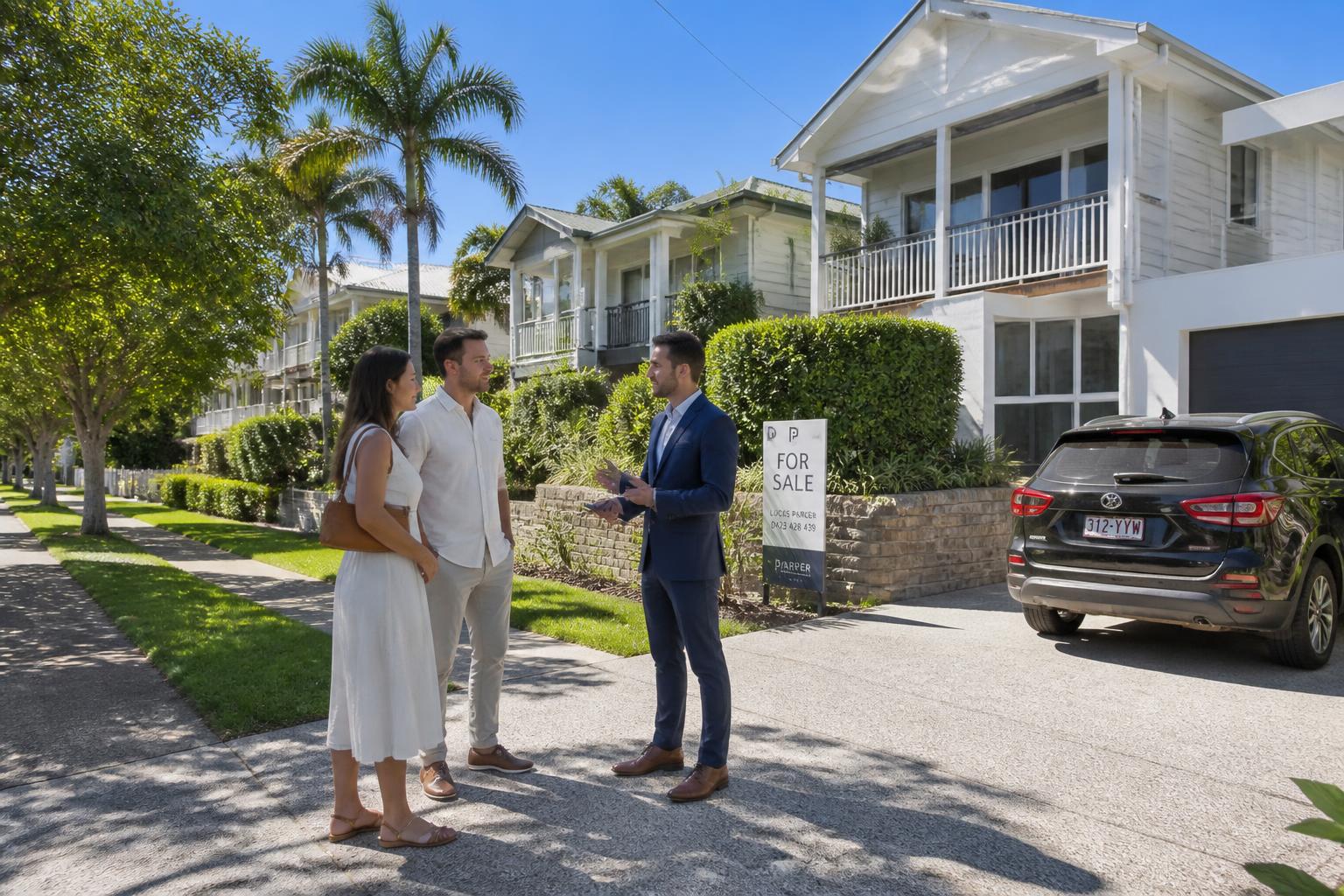
Brisbane’s real estate market in 2026 offers a dynamic environment for prospective buyers, combining growth opportunities with regulatory nuances that demand careful navigation. As Australia’s third-largest city continues to expand economically and culturally, its property landscape attracts both domestic and foreign investors. However, understanding local rules, costs, and market trends is essential to making a well-informed purchase. The city’s diverse suburbs, from bustling inner areas like Fortitude Valley to family-friendly outer zones, present a wide range of options tailored to different lifestyles and investment goals. Navigating Brisbane’s property taxes, buyer requirements, and inspection practices will empower buyers to avoid common pitfalls while capitalizing on the city’s evolving market potential.
Key points to consider before buying in Brisbane:
- Foreign buyers face an 8% additional stamp duty surcharge and restrictions on established dwellings through 2027.
- Mortgage interest rates for foreigners typically exceed those available to residents by up to 1.7%.
- Understanding local Brisbane home inspections and council regulations helps identify insurance and zoning issues.
- The property market is rapidly evolving, with median house prices surpassing 1 million AUD, impacting affordability and investment return.
- Brisbane offers a 5-business-day cooling-off period for most residential contracts, providing a window for due diligence.
- Legal guidance and thorough due diligence are essential to avoid costly mistakes, especially for first-time buyers and investors.
- Diverse suburbs cater to varying preferences; research specific neighborhoods to align with lifestyle and budget.
Understanding the Brisbane Property Market Landscape
The Brisbane property market is characterized by a blend of rapid urban development, shifting demographics, and evolving buyer preferences. As one of Australia’s fastest-growing cities, Brisbane’s real estate trends in 2026 reflect a balance between affordability pressures and expanding infrastructure. The median house price breaking the 1 million AUD mark represents both a sign of demand and a challenge, especially for first-time buyer Brisbane residents.
Brisbane’s suburbs offer a wide spectrum of living environments, from chic inner-city precincts such as Newstead and West End to more affordable outer areas like Logan and Ipswich. This distribution caters to a variety of buyers — families seeking space, young professionals looking for proximity to the CBD, and investors focusing on rental yields. Additionally, real estate tips Brisbane enthusiasts share frequently emphasize understanding local market cycles and demand drivers, for example, how new transport projects boost certain suburbs.
Another important aspect is Brisbane’s propensity to face environmental challenges like flooding and storms. Suburbs affected by flood overlays can yield higher insurance premiums, which in turn influence affordability and ongoing costs. Prospective buyers should review the Brisbane City Council’s planning tools and recent history related to weather risk for any targeted area. An informed approach can safeguard long-term investment value and prevent unpleasant surprises post-purchase.
Understanding these layers demands scrutiny and expert advice. Consulting local property experts or using resources like a comprehensive Brisbane buying guide can help uncover the nuances that shape the real estate market. As Brisbane continues to attract interstate migration and foreign interest, navigating local policies and evolving trends is crucial to success in buying property Brisbane-style.
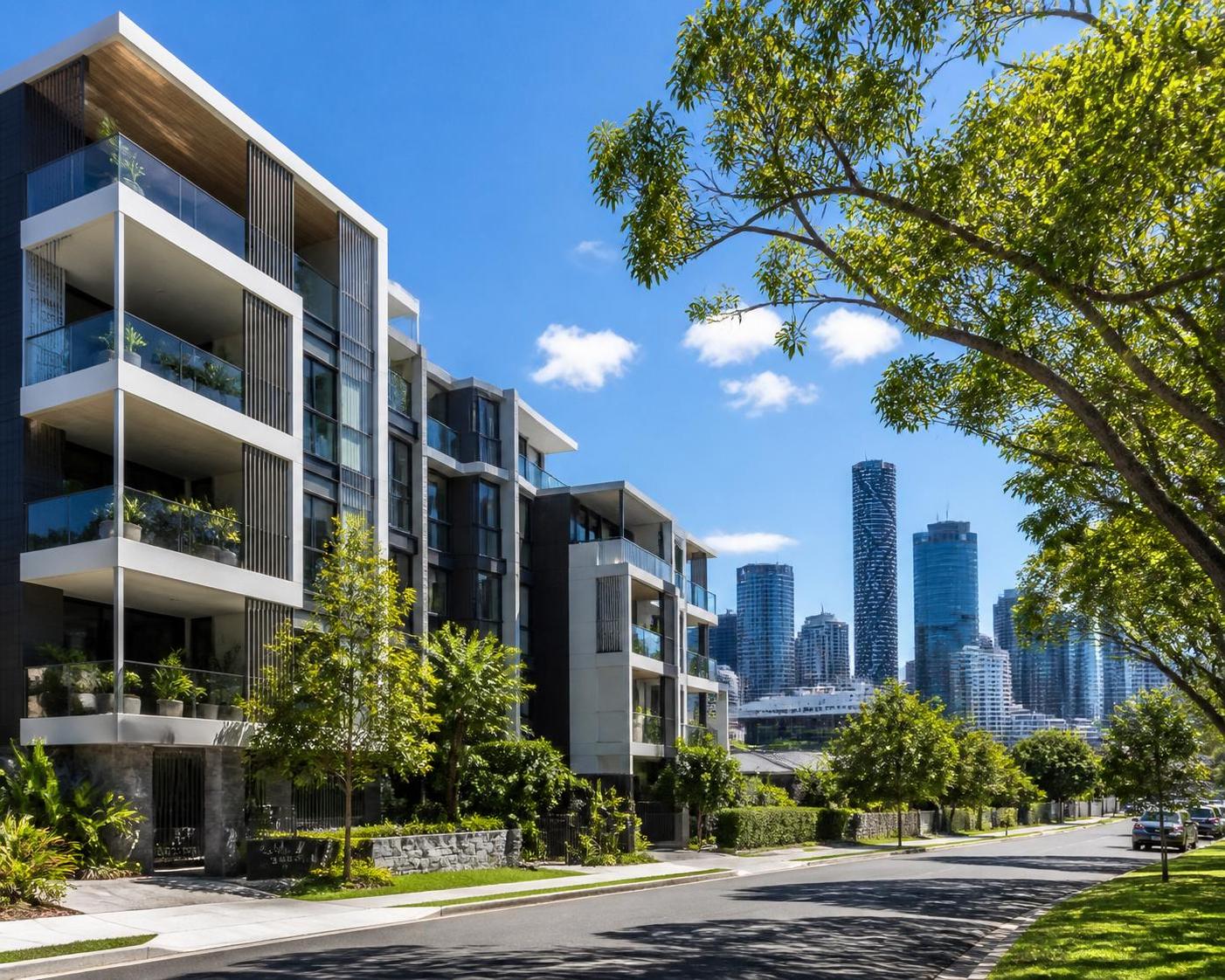
Critical Legal Frameworks for Foreign Buyers in Brisbane
Foreign ownership in Brisbane real estate is shaped by specific legal frameworks designed to regulate investment and protect local markets. By 2026, these regulations are particularly stringent, due to continued restrictions implemented starting April 2025 through March 2027. A key rule is the federal ban on foreign purchases of established dwellings, which means that foreign buyers cannot legally purchase most existing houses and apartments during this period.
Foreign investors are instead restricted to purchasing new or off-the-plan apartments, new homes, and vacant land that requires development. This distinction is important, as the wrong property type may result in severe consequences such as forced sale orders or financial penalties. Moreover, all foreign buyers must obtain approval from the Australian government before finalizing any contract. This approval process is mandatory and cannot be bypassed or delayed without risking non-compliance.
Additionally, an 8% Additional Foreign Acquirer Duty applies on top of the regular transfer duty, substantially increasing the upfront costs for foreign buyers. For houses with median prices exceeding 1 million AUD, this surcharge can add a significant financial burden — approximately 81,000 AUD in extra costs. Absentee foreign owners also face further fees, such as a 3% land tax surcharge on taxable land valued above 350,000 AUD.
Despite these hurdles, ownership rights for foreign buyers remain clear: once approved, foreign investors hold freehold title in their own name, identical to local owners. This ownership is registered with Titles Queensland, providing the same protections and recognition. However, navigating legal conditions and understanding all tax implications require expert legal counsel to avoid missteps and optimize investment outcomes.
For further information on foreign ownership rules and guidance, it’s highly advisable to consult detailed resources such as specialized foreign buyer guides for Brisbane.
Step-By-Step Process for Buying Property in Brisbane
Buying property in Brisbane involves a structured process with specific legal steps and conditions tailored to state regulations. Most buyers begin by confirming eligibility to purchase their desired property type, particularly crucial for foreign investors who must first secure federal approval. Next, prospective buyers typically engage a solicitor or conveyancer to navigate contract reviews and compliance requirements.
Once property interest is confirmed, a formal offer is made. In Queensland, accepted contracts often include a 5-business-day cooling-off period, allowing buyers to perform due diligence and walk away if significant issues arise. This period does not apply for auction purchases, so buyer preparedness at auction is critical and requires careful pre-auction inspection.
The conveyancing process includes title searches, verifying ownership status, checking for liens or encumbrances, zoning compliance with Brisbane City Council, and confirming building inspection reports. Brisbane home inspection is a vital step, helping uncover hidden defects, pest infestations, or structural concerns that could affect long-term satisfaction and investment viability.
Following satisfactory inspections and removal of conditions such as financing approval, the contract goes unconditional. Settlement then occurs within 30 to 90 days depending on purchase type, which involves balance payment and registration of title transfer with Titles Queensland. Many buyers choose electronic signing and engage agents for remote handling of these stages.
Understanding and managing this sequence with local experts ensures compliance and smooth transaction flow. Comprehensive guides like Brisbane home buying guides offer practical insights on each step and common buyer pitfalls in this market.
Mortgage Advice for Foreign and Local Buyers in Brisbane
Securing finance is a critical component when buying property Brisbane residents or foreigners alike. Foreign buyers in 2026 often face mortgage conditions less favorable than locals, including larger deposit requirements (typically 30%-50%) and higher interest rates ranging from 6% to 7.2%. Australian residents generally benefit from lower rates, approximately 5.5%, and smaller deposits.
Mortgage providers such as HSBC Australia and ANZ are considered more foreigner-friendly due to their established expertise handling non-resident income and credit assessments. Many foreign buyers may also turn to specialist lenders for tailored loan products, although these often come with higher costs.
Proving stable income, ideally Australian-sourced, is key to obtaining favorable loan terms. Lenders generally avoid or scrutinize foreign currency income, which can slow approval or restrict borrowing capacity. First-time buyer Brisbane applicants should also factor in additional lender fees, valuation costs, and ongoing loan service charges while planning their budget.
Understanding these financial realities reduces surprises during the mortgage application process and helps buyers tailor realistic budgets aligned with current real estate trends Brisbane is seeing. For more detailed advice, resources like mortgage insights and real estate market updates can be invaluable.
Comprehensive Overview of Taxes and Ongoing Costs in Brisbane
Beyond the upfront property price, buyers must account for multiple taxes, fees, and recurring costs when purchasing real estate in Brisbane. Closing costs for foreign buyers have grown notably due to the combined impact of transfer duty and the Additional Foreign Acquirer Duty, typically amounting to 12% to 15% of the purchase price. This makes foreign purchase expenses considerably higher than those faced by Australian residents.
Local buyers typically encounter transfer duty alone, which varies on a sliding scale but often falls below the foreign surcharge. Legal fees, building and pest inspections, lender charges, and title registration fees further add to settlement expenses.
Annual property holding costs include Brisbane City Council rates, which generally range from 900 to 3,200 AUD per year depending on property size, location, and services. Insurances, particularly building and contents policies, carry premiums from 1,800 to 3,800 AUD annually, influenced heavily by flood and storm overlay designations in certain suburbs. Properties in flood-prone areas can pay two to three times higher insurance rates than those in less risky zones.
Foreign investors renting out property in Brisbane must also manage tax implications, including paying income tax at marginal foreign resident rates starting at 32.5%, with no tax-free threshold, as well as potential land tax surcharges on absentee owners. Being prepared for these ongoing financial commitments is crucial for long-term investment sustainability in the Brisbane property market.
Inspecting Brisbane Homes: What Buyers Need to Know
A thorough Brisbane home inspection is a cornerstone of the buying process, ensuring transparency regarding property condition and potential risks. Buyers should commission licensed inspectors who evaluate structural integrity, pests, electrical systems, plumbing, roofing, and insulation.
Given Brisbane’s climate and susceptibility to flooding in some areas, inspections often include checks for water damage, termite activity, and mold issues. Sellers commonly provide a building and pest inspection report early in the selling process, but buyers must still conduct independent assessments to verify findings and uncover hidden defects.
Key risks highlighted during inspections can affect negotiation strategies, costing estimates, or even the decision to proceed with a purchase. Brisbane’s diverse suburbs can differ widely in building age, style, and vulnerability, making localized inspection expertise invaluable. For example, older homes in established suburbs like Paddington may have different concerns compared to contemporary apartments in Newstead.
Using trusted home inspector networks and consulting guides like real estate tips Brisbane buyers often follow can preserve investment security and support informed decision-making prior to contractual commitments.
Choosing the Right Brisbane Suburb to Match Lifestyle and Investment Goals
Brisbane’s extensive suburbs each have distinct characters, amenities, and market dynamics that influence both lifestyle compatibility and investment returns. Successful buyers tailor their selection to personal needs — whether prioritizing proximity to work, schooling options, transport accessibility, or expected capital growth.
Inner-city suburbs like Fortitude Valley, South Brisbane, and Kangaroo Point offer vibrant cultural scenes, excellent dining, and strong rental demand, appealing to young professionals and investors focused on capital gains. These areas predominantly feature new apartments and townhouses, suiting buyers aware of foreign ownership rules.
Family-oriented suburbs such as Carindale and Chermside provide larger homes, parks, and schools, with stable capital growth and moderate prices. Outer suburbs like Ipswich and Logan deliver affordability for first-time buyer Brisbane families, with expanding infrastructure supporting future appreciation.
Market realities, tax implications, and zoning restrictions vary widely across Brisbane. For instance, flood overlays in West End impact insurance and development potential, a factor that should influence suburb choice. Consulting local market intelligence resources can guide buyers in their suburb selection in line with their goals and preferences.
Essential Tips for First-Time Buyers in Brisbane
Purchasing a first home or investment property in Brisbane can be daunting. First-time buyer Brisbane clients benefit from strategic planning and understanding of the market environment.
Key guidance includes:
- Pre-approval for finance: Knowing your borrowing capacity early streamlines searching and selling negotiations.
- Understanding total purchasing costs: Budget beyond listing price — factor transfer duties, foreign surcharges (if applicable), and inspection fees.
- Use local experts: Engage solicitors, property inspectors, and brokers familiar with Brisbane’s market.
- Inspect thoroughly: Prioritize comprehensive home and pest inspections to avoid surprises.
- Investigate suburb suitability: Match property choice to lifestyle and long-term growth expectations.
- Utilize first-time buyer incentives: Explore state grants and federal tax concessions designed to support new owners.
- Avoid emotional decisions: Stay calm and consider facts, especially in competitive markets.
For extended advice tailored to new buyers, resources like top first-time buyer guides provide valuable roadmaps to help overcome challenges and optimize purchase outcomes.
What property types can foreigners buy in Brisbane in 2026?
Foreign buyers can purchase new or off-the-plan apartments, newly built houses, and vacant land requiring development. Existing homes and resale properties are banned for foreign purchase until March 2027.
How much extra cost does the Additional Foreign Acquirer Duty add for foreign buyers?
The Additional Foreign Acquirer Duty adds an 8% surcharge on top of transfer duty, significantly increasing initial purchase costs by approximately 12 to 15% of the property’s price.
Is it necessary to get a home inspection in Brisbane before buying?
Yes, a thorough home inspection is critical to identify structural or pest issues, water damage, and other risks. It helps buyers negotiate and avoid unexpected costly repairs.
Can foreigners get a mortgage in Brisbane, and what are typical rates?
Foreigners can secure mortgages but often face higher interest rates between 6% and 7.2%, as well as larger deposit requirements of 30% to 50%.
What legal step must foreign buyers take before signing a property contract?
Foreign buyers must obtain federal foreign investment approval prior to signing an unconditional contract to avoid penalties or forced sales.