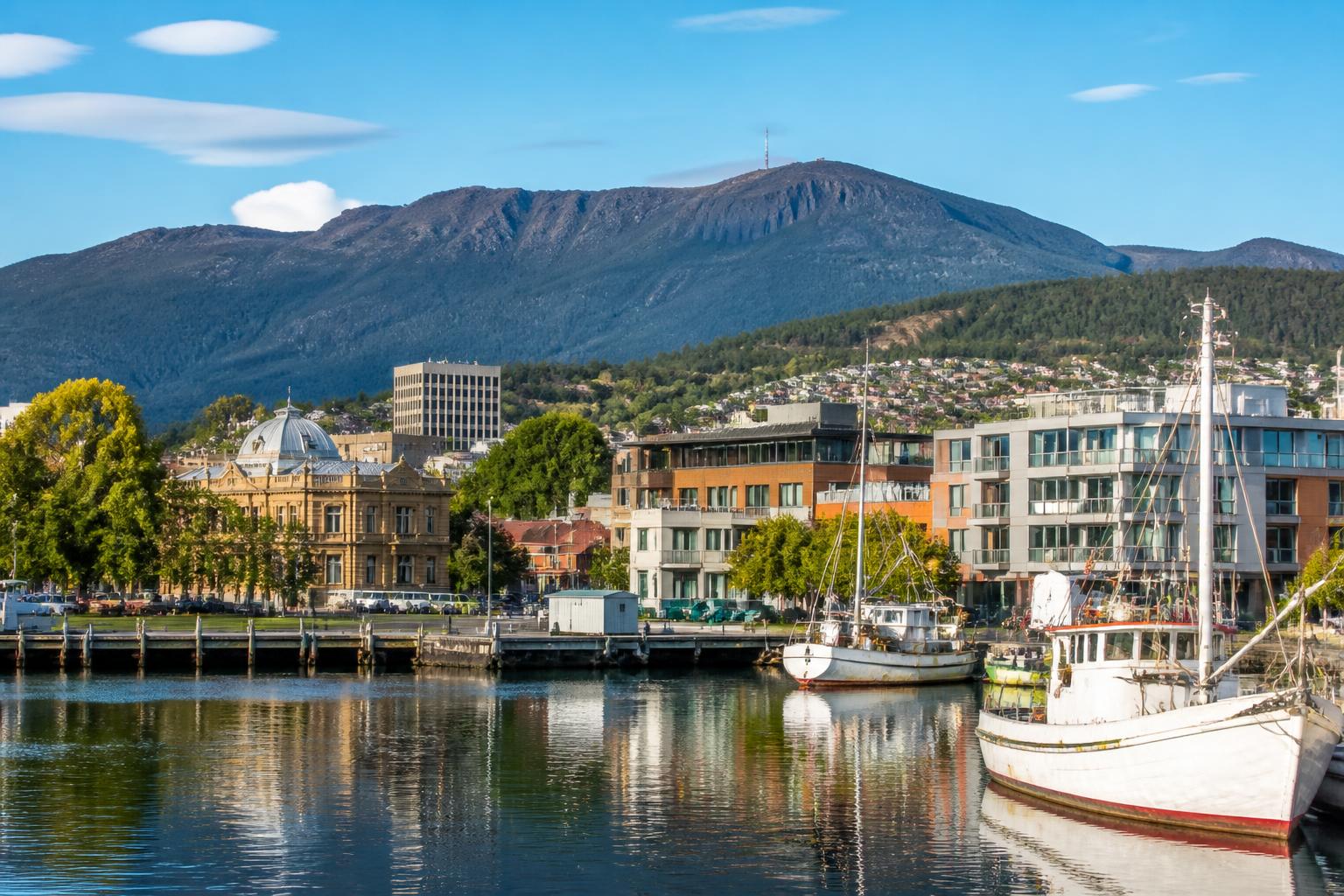
Hobart, the capital of Tasmania, presents a distinctive profile within the Australian real estate landscape. Its unique characteristics stem from a combination of natural beauty, historical richness, and evolving market dynamics that collectively shape its appeal and investment potential. Situated on the banks of the River Derwent, Hobart’s waterfront properties offer stunning scenic views and a lifestyle that contrasts with the hustle of mainland capitals. Unlike the sprawling urban environments of Sydney or Melbourne, Hobart’s real estate market is marked by its compact city layout, a focus on detached houses, and an abundance of historic homes that reflect Tasmania’s colonial past.
Amid rising property prices across Australia, Hobart maintains a reputation for relatively affordable housing, creating an inviting environment for a diverse range of buyers—from first-time homeowners to seasoned investors. The city’s ongoing appreciation in property values is underpinned by steady demand, tight rental markets, and strategic infrastructure developments that enhance livability and connectivity. What continues to set Hobart apart is the harmonious blend of lifestyle appeal and economic foundation, positioning it as one of Australia’s most balanced and compelling real estate markets emerging into 2026.
In brief:
- Hobart’s real estate market combines historic charm and scenic waterfront living, offering a unique alternative within Australia’s capitals.
- Affordable housing options and varied property types dominate, with detached homes accounting for around 70% of the market.
- Strong rental demand and tight vacancy rates support steady investor confidence and consistent price growth.
- Infrastructure projects like the New Bridgewater Bridge and Macquarie Point redevelopment fuel future market optimism.
- Foreign buyers face challenges due to investment restrictions but still find opportunities in new-build developments.
- Market dynamics feature moderate price volatility, balanced days-on-market, and a trend toward steady recovery post-2024 corrections.
- Neighborhoods such as Moonah and New Town exhibit signs of gentrification and promise for rising property values.
- Expert analyses and updated data are essential to navigate Hobart’s evolving real estate landscape effectively.
Distinctive Characteristics of Hobart’s Real Estate Market Compared to Australian Capitals
Hobart’s real estate market stands apart from larger Australian capitals through several defining factors that contribute to its unique identity. Its geographic isolation as Tasmania’s major city, combined with its relatively small population of about 250,000 residents, means the market exhibits less volatility and speculative frenzy compared to Sydney or Melbourne. This contributes to a more balanced price trajectory and a sustainable growth pattern.
The prevalence of detached houses, comprising approximately 70% of residential listings, reflects Hobart’s suburban development pattern. Land availability has historically allowed for larger plot sizes and more outdoor space, which appeals to buyers seeking lifestyle accommodations rather than high-density living. This contrasts with Australia’s mainland capitals, where apartment living dominates much of the new construction.
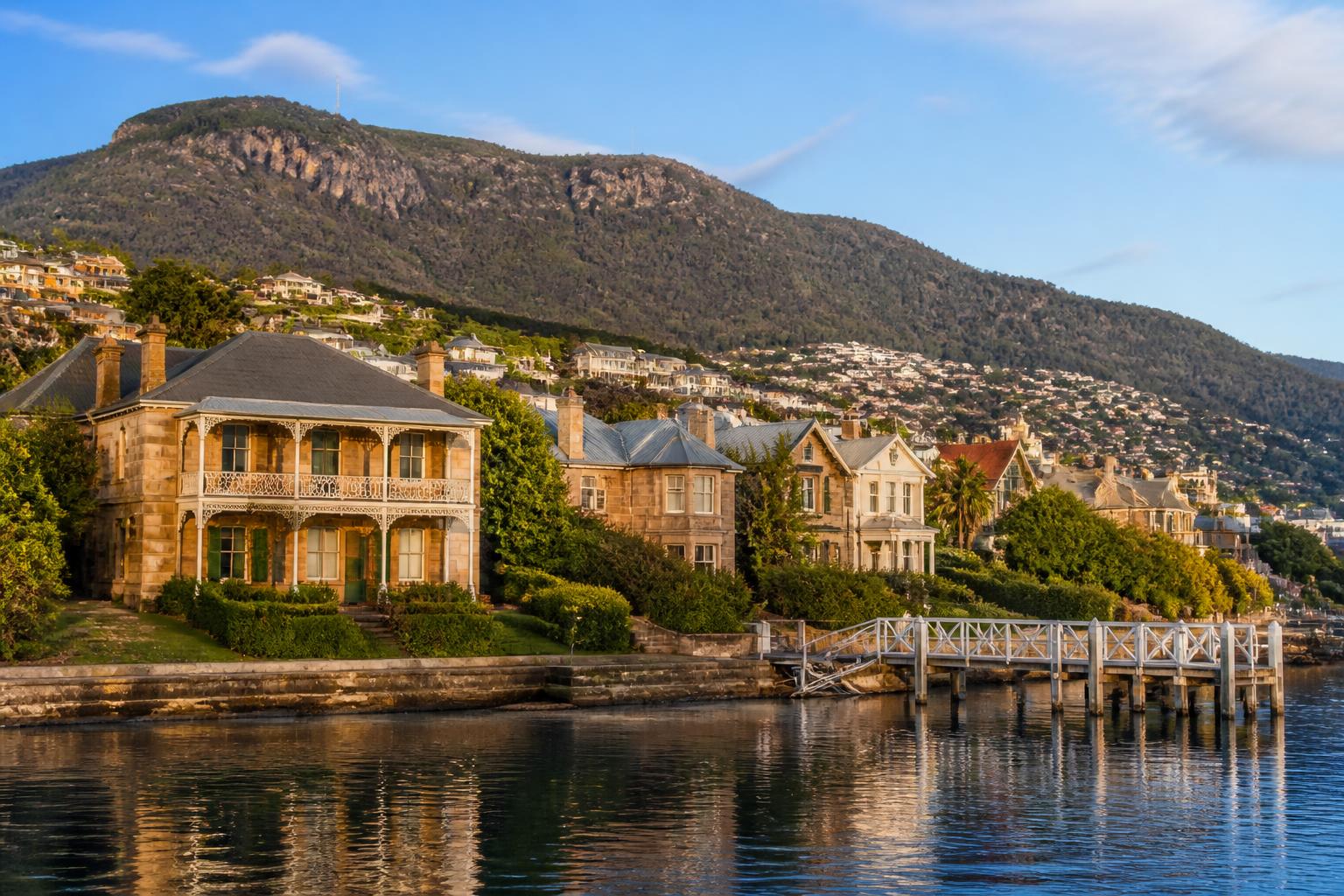
Another element shaping Hobart’s uniqueness is its rich array of heritage-listed properties and historic homes. Neighborhoods such as Battery Point and Sandy Bay showcase architecture dating back to colonial times, which not only enhances the city’s aesthetic appeal but also imbues the market with a sense of permanence and cultural value. Buyers are attracted to these homes for their character and the connection to Tasmania’s maritime and early settler history.
Furthermore, Hobart’s waterfront setting along the Derwent River provides an unparalleled lifestyle dimension. Properties with direct water views or access command premium prices and generate consistent interest from buyers looking to combine scenic beauty with urban convenience. The waterfront also supports vibrant tourism and recreational activities, reinforcing Hobart’s status as a desirable place to live and invest.
These factors contribute to distinct market dynamics, making Hobart’s property market less prone to the speculative bubbles seen elsewhere, instead promoting measured growth influenced by lifestyle and environmental qualities. Investors and owners benefit from this stability alongside opportunities found in emerging suburban hotspots and infrastructure-led appreciation areas.
Current Market Conditions: Day-on-Market, Pricing, and Sale Trends in Hobart
In early 2026, Hobart’s property market is characterized by a phase of steady recovery reflecting modest price growth after previous fluctuations. On average, residential properties spend around 52 days on the market before sale, with well-priced homes in sought-after suburbs like Sandy Bay and Battery Point often selling faster than the citywide average. Homes with less desirable attributes—such as poor sun exposure or difficult access due to steep terrain—may remain listed for up to 90 days or more.
Regarding price achievements relative to initial asking, properties in Hobart generally sell for approximately 97% of their original listing price. This indicates that while bidding wars are less frequent than during boom periods, the market still commands close to asking prices, particularly for premium historic homes and waterfront dwellings. Approximately 70% of the properties transact at or below asking, reinforcing a balanced negotiation climate favoring prepared buyers and strategic sellers.
This tempered selling environment follows the precursory market frenzy observed in 2021-2022, with current conditions considered healthier and less speculative. Buyer confidence has stabilized as interest rates settle and population growth maintains momentum at a measured pace. Real estate professionals note that timing listings and pricing properties realistically remain key to swift transactions in Hobart’s balanced market.
For investors and homeowners striving for precision, comprehensive data and real-time market updates—such as those provided by specialist sources—are invaluable. These enable an understanding of fluctuating supply constraints and demand patterns, allowing market participants to optimize their entry or exit strategies efficiently.
Overview of Hobart Property Price and Selling Speed Data
| Metric | Value / Range | Comments |
|---|---|---|
| Average days on market | 52 days | Typical homes sell between 35 to 70 days |
| Sale-to-asking price ratio | ~97% | Majority sell near or just below asking price |
| Fastest selling suburbs | Sandy Bay, Battery Point | Premium waterfront and historic homes |
| Longest selling properties | Up to 90+ days | Properties with poor sun, steep access |
Property Types and Housing Stock in Hobart: What Buyers Can Expect
Hobart’s housing inventory is primarily composed of detached houses, a factor that greatly influences the city’s real estate atmosphere and purchasing options. Around 70% of properties on the market fall into this category, with the remainder divided amongst townhouses, units, and a smaller number of apartments. This stock composition reflects the city’s low to medium density zoning and the historical availability of land, fostering a spread-out suburban feel uncommon in other Australian capitals.
Buyers looking for brand-new developments face a limited selection because new builds currently represent only 10% to 15% of the available market stock. New developments tend to cluster in growth corridors such as Kingston in the south and select urban infill projects along the New Town and Glenorchy corridor. These areas provide modern housing options including house-and-land packages attractive to families and young buyers aiming to balance convenience with lifestyle.
The dominance of detached homes also appeals to lifestyle buyers who prioritize private outdoor spaces, a quieter environment, and more room for families or pets. This preference contributes to the relatively slower population density of Hobart compared to mainland capitals, supporting a more relaxed pace of life in properties that showcase Tasmanian craftsmanship and architectural heritage.
Understanding this housing composition, alongside the nuances of the market, equips buyers to make informed choices about suitable property types and neighborhoods. It also helps highlight investment opportunities within niche development sectors, including apartments designed for student accommodation close to the University of Tasmania or multi-unit projects near business hubs.
Emerging Neighborhoods and Infrastructure Developments Driving Demand in Hobart
Several suburbs in Hobart have displayed clear signs of gentrification and upward momentum, making them attractive for investors and residents alike. Areas like Moonah, Glenorchy, and New Town have experienced an influx of younger professionals and families drawn by more affordable pricing compared to prime inner suburbs. These neighborhoods showcase flourishing small businesses—specialty cafes, craft breweries, and renewed retail façades—that underscore their evolving appeal.
Gentrification in these locations is accompanied by ongoing renovation efforts, notably on weatherboard homes, signifying an active reinvestment in residential quality and value. Price growth in such neighborhoods typically ranges between 4% to 6% annually, outperforming broader market averages during periods of overall moderation.
Simultaneously, major infrastructure initiatives elevate the prospects for property appreciation and connectivity. The opening of the New Bridgewater Bridge in mid-2025 enhanced northern corridor access, directly benefiting communities like Bridgewater and Brighton. Additionally, the Macquarie Point stadium and urban renewal precinct represent a multi-year project anticipated to transform the adjacent CBD-fringe suburbs, attracting commercial and residential interest.
Along with these, public transport upgrades aimed at improving rapid bus routes and ferry terminals across areas like New Town and Moonah are progressively enhancing Hobart’s accessibility and livability. These infrastructure investments tend to generate phased property price uplifts, initially around a few percentage points upon project announcement, extending to gains between 5% and 15% following completion due to improved daily commute efficiencies and lifestyle conveniences.
These evolving dynamics reinforce the need to monitor the interplay between urban development and real estate, especially for buyers eyeing stable long-term growth.
Local Market Sentiment and Common Buyer Pitfalls in Hobart’s Unique Context
Market sentiment in Hobart centers on a nuanced balance between acknowledging relatively high property prices and recognizing underlying value propositions. Most locals agree that homes feel costly relative to wages and local incomes, yet the market lacks the irrational exuberance typical of past bubbles. Vendor discounting averaging 3% signals buyer leverage, while the persistent rental tightness—with vacancy at an extremely low 0.4%—attests to real demand.
Buyer regret stories have consistently highlighted practical issues such as inadequate winter sun exposure. Tasmania’s long, cold winters emphasize the importance of home orientation; residences facing away from the sun or overshadowed by topography often lead to dissatisfaction despite other favorable features. Similarly, challenges related to steep terrain and difficult access including long stairways or steep driveways are frequently alluded to as unexpected burdens that can diminish enjoyment and complicate resale.
Understanding and addressing these local nuances is crucial to avoiding costly mistakes. Prospective buyers are encouraged to undertake extensive due diligence, seek advice from local experts, and carefully assess properties within the practical context of Hobart’s climatic and geographic realities. This approach complements standard financial and market analysis, ensuring comprehensive preparation when investing in Hobart real estate.
Foreign Buyer Dynamics and Lending Conditions in Hobart’s Real Estate Market
Foreign investors looking to enter Hobart’s property market face a distinct regulatory environment intensified by recent policy changes. Since April 2025, a temporary ban restricts the purchase of established dwellings for foreign buyers until March 2027, except under limited exceptions. Approval from the Foreign Investment Review Board through the Australian Taxation Office remains mandatory, alongside substantial stamp duty surcharges reaching approximately 8% on top of transfer duties.
These legal barriers create significant challenges, largely confining foreign investment opportunities to new-build properties, which only account for an estimated 10-15% of Hobart’s housing availability. This scenario demands patience and strategic focus on specific market segments. It also shifts foreign buyer attention towards suburbs featuring new developments, such as Kingston and parts of the Glenorchy corridor.
Mortgage financing for non-resident buyers is available but accompanied by tighter conditions. Major banks like Westpac currently do not lend to foreign nationals for residential purposes, pushing buyers toward specialist lenders. Loan-to-value ratios tend to be lower (60% to 70%), necessitating higher deposits, while interest rates typically run 0.5% to 1% higher than those offered locally. Comprehensive documentation including verified overseas income, translated employment contracts, and proof of assets is required, generally extending approval timelines.
Despite these hurdles, foreign investors who navigate the process effectively can capitalize on Hobart’s enduring lifestyle appeal and market fundamentals. However, rigorous preparation, local legal guidance, and alignment with regulatory requirements are essential to successful acquisition.
Rental Market Strength and Investment Outlook in Hobart for 2026
The rental market in Hobart remains robust, underpinning the city’s real estate resilience. With vacancy rates stubbornly low at approximately 0.4%, competition among tenants is intense, supporting strong rental yields and incentivizing investor confidence. Demographically, the rental demand reflects a mix of young professionals employed in government and healthcare sectors, university students particularly in neighborhoods adjacent to the University of Tasmania, and families priced out of home ownership yet seeking quality living environments.
The strongest rental markets are anchored in Sandy Bay due to student proximity, as well as North Hobart, New Town, and eastern shore suburbs such as Lindisfarne and Bellerive which attract families and professionals alike. This diversification sustains rental momentum even during broader market fluctuations.
Short-term rental demand fluctuates seasonally, influenced heavily by tourism peaks coinciding with summer and cultural events like the MONA festivals, including Dark Mofo. Optimal occupancy rates for short-stay properties in premium locations often range between 60% and 75%, with less central locations trailing around 50%. Tasmania’s regulatory environment allows for relatively flexible short-term rentals compared to strict regimes in other Australian states, though local council and body corporate rules remain important considerations.
Looking forward, Hobart’s rental tightness, combined with infrastructure growth and demographic trends, suggests sustained balanced market conditions conducive to both long-term residential demand and investor-backed rental supply.
Future Projections and Scenario Planning for Hobart’s Real Estate Trajectory
Analysts forecasting Hobart’s property market over the next 12 months broadly expect a cautiously optimistic landscape. Steady buyer interest is anticipated, particularly for properties well-aligned with market expectations on price and condition. Price growth is projected between 2% and 6%, depending on macroeconomic factors like interest rate movements and migration patterns. Major infrastructure projects such as the Macquarie Point stadium precinct underpin confidence in ongoing demand and urban renewal.
Stretching the horizon to 3-5 years, the outlook remains positive with gradual appreciation expected rather than rapid booms. This outlook rests on continued constrained supply, strong rental market fundamentals, and significant urban renewal plans that transform accessibility and amenity, including transport initiatives and the Treasury Complex redevelopment.
Demographic trends such as interstate migration from Melbourne and Sydney, smaller household formations, and an aging population choosing to downsize locally contribute sustained upward pressure on demand. Additionally, the appeal generated by lifestyle factors facilitating remote work and cultural tourism supports property values well beyond mere bricks and mortar.
Potential downturn risks center on economic shocks such as prolonged high-interest rates or sudden increases in supply surpassing demand. Indicators to watch include rising days on market beyond 70 days, increasing vendor discounting, and vacancy rate rises above 1%. However, historical data reveal Hobart’s resilience, with price corrections typically moderate and recovery swift, owing to its tight rental market and lifestyle-driven appeal.
How does Hobart’s waterfront location influence property values?
Hobart’s waterfront properties benefit from scenic river views and a vibrant lifestyle that attracts buyers willing to pay premiums, contributing to stronger price resilience and higher demand in these areas.
What challenges do foreign buyers face in Hobart’s real estate market?
Foreign buyers must navigate strict approval requirements, a temporary ban on established property purchases through early 2027, additional stamp duty surcharges, and limited financing options, restricting their market participation primarily to new builds.
Which Hobart suburbs are showing the strongest growth prospects?
Neighborhoods like Moonah, New Town, and parts of Glenorchy are experiencing gentrification with steady property price appreciation, thanks to increased renovations, new businesses, and infrastructural improvements.
How tight is the rental market in Hobart?
With vacancy rates around 0.4%, Hobart’s rental market is extremely tight, leading to strong tenant competition and supporting robust rental yields for landlords and investors.
What makes Hobart’s real estate market less volatile than other capitals?
Hobart’s smaller size, lower population density, and lifestyle-driven demand moderate price fluctuations, providing a more balanced market with less speculative ups and downs compared to larger cities like Sydney or Melbourne.
Discover more nuanced analysis and stay updated on the unique traits of Hobart’s property market with insights available through trusted real estate resources such as Property Finance Invest and RealEstate.com.au reports.